Selecting better architectural drawings for your house
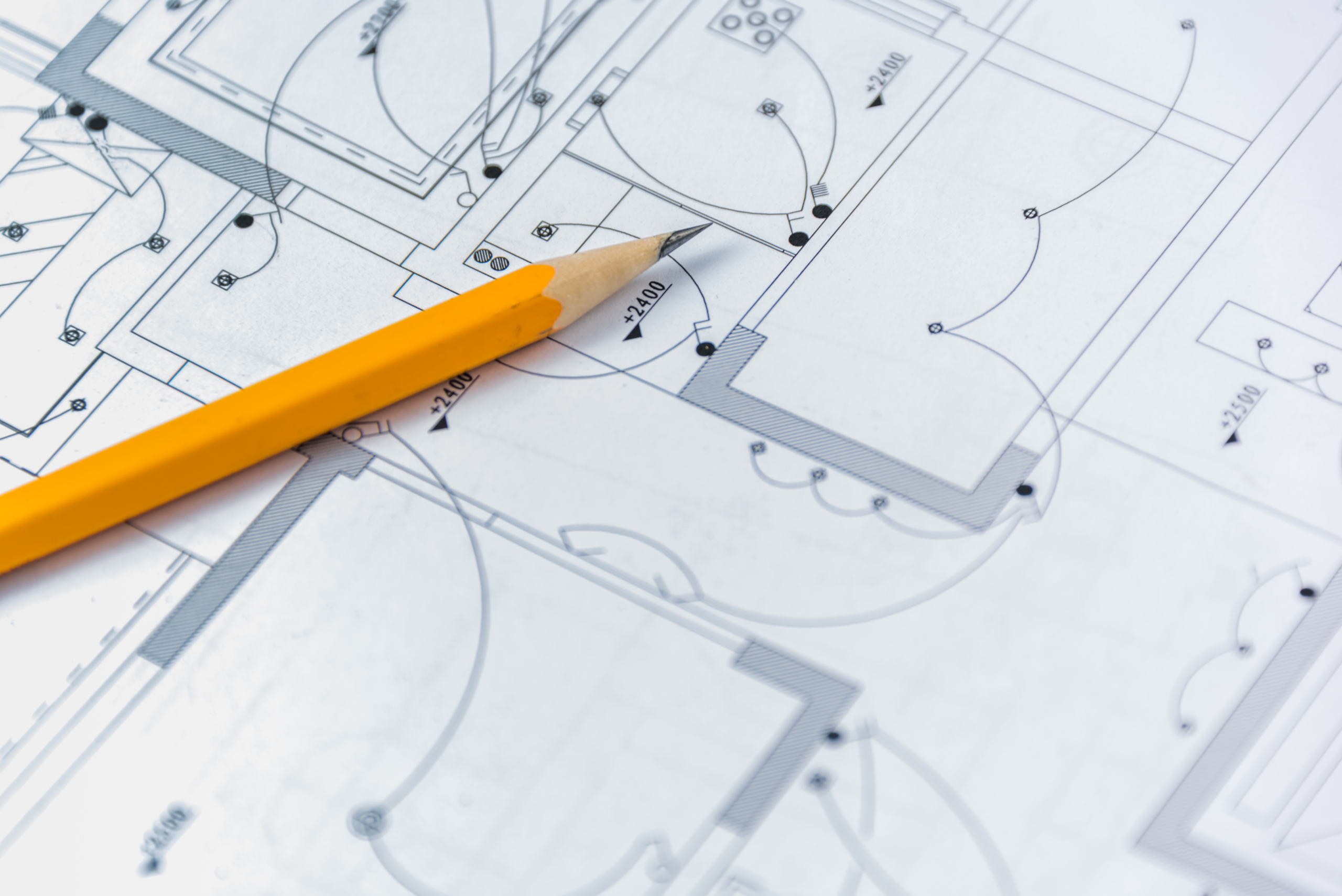
A Comprehensive Guide to Selecting the Perfect Architectural House Plan
Choosing the best architectural design for your home is one of the most challenging yet crucial decisions you’ll face in the construction process. Often, there’s a conflict between the architect and the client, influenced by varying levels of experience and expectations.
Ideally, a competent draftsman should gather all the client’s requirements—such as space functionality, architectural style, and environmental considerations—and create a cohesive design.
Unfortunately, some inexperienced draftsmen resort to copying and pasting from various sources, which can lead to dissatisfaction. Here are some essential guidelines to follow before and after designing your house plans.
Meeting Structural and Functional Requirements
First and foremost, all house plans must meet basic structural and functional requirements. This includes ensuring the load-bearing capacity, providing adequate shelter, protecting against harsh weather, and safeguarding from intruders. Once these essential needs are met, you can proceed to more personalized decision-making.
Safety First
Safety should always be a top priority. Features such as balconies, stairs without railings, and expansive glass shower enclosures may look stylish, but they may need modifications for families with small children. Ensure that your design considers the safety and accessibility for all current and future occupants.
Land Coverage and Outdoor Space
Consider the proportion of your development relative to the available land. Aim for a balance that allows sufficient space for family outdoor activities and play areas. Ideally, if the development covers only 50-60% of the land, enough space will be available to host events and outdoor games without the need to hire external venues.
Privacy Considerations
Privacy is paramount for all occupants. Design your floor plan so that washrooms and individual bedrooms are out of sight from guest areas. This ensures a comfortable and private living experience for everyone in the household.
Room Sizes and Furniture Fit
Ensure that room sizes are practical and can accommodate your existing furniture. How often have you seen dimensions on a floor plan and realized later that your furniture doesn’t fit as expected? Measure your existing furniture and ensure that the room sizes in your new home will accommodate it comfortably.
Planning for Old Age
Consider future needs, especially as you or your family members age. Using stairs frequently can become cumbersome with age. A well-designed plan should cater to both current and future needs, minimizing the need for extensive modifications later on.
Room Location and Function
The placement of rooms within the house is critical. For instance, a home theater should not be adjacent to bedrooms, prayer rooms, or reading rooms to avoid noise disturbances. Proper room placement ensures a comfortable and functional living environment.
Hosting and Entertainment
If you love to entertain, imagine hosting functions in your home. Ensure that your kitchen, dining room, and living room areas are designed to accommodate large gatherings. This will allow ample space for mingling, eating, dancing, serving, and moving through your home comfortably.
As an experienced and hands-on construction consultant, I can guide you through these considerations to ensure you make informed decisions that meet both your current and future needs. Let me help you design a home that truly fits your lifestyle and expectations.
Don’t hesitate to seek expert advice to navigate these complexities and design your perfect home.
#DreamHome #ArchitectureTips #StopTheMaze