Cement Blocks vs Clay Bricks in Fencing a Home
Cement Blocks vs. Clay Bricks: Which is Better for Fencing Your Home in Uganda?
When it comes to fencing your home, the choice of materials plays a crucial role in determining the durability, cost, and aesthetic appeal of the structure. In Uganda, cement blocks and clay bricks are two popular materials used for building fences. Each option has its own set of advantages and considerations. In this blog post, we will compare cement blocks and clay bricks for fencing a home on a plot of 50ft by 100ft, focusing on cost, durability, and visual appeal.
Introduction
Fencing is an essential aspect of home security and privacy. The materials you choose for your fence will affect not only the look of your property but also its maintenance requirements and longevity. This post will provide a detailed comparison between cement blocks and clay bricks to help you make an informed decision for your fencing project.
Cement Blocks
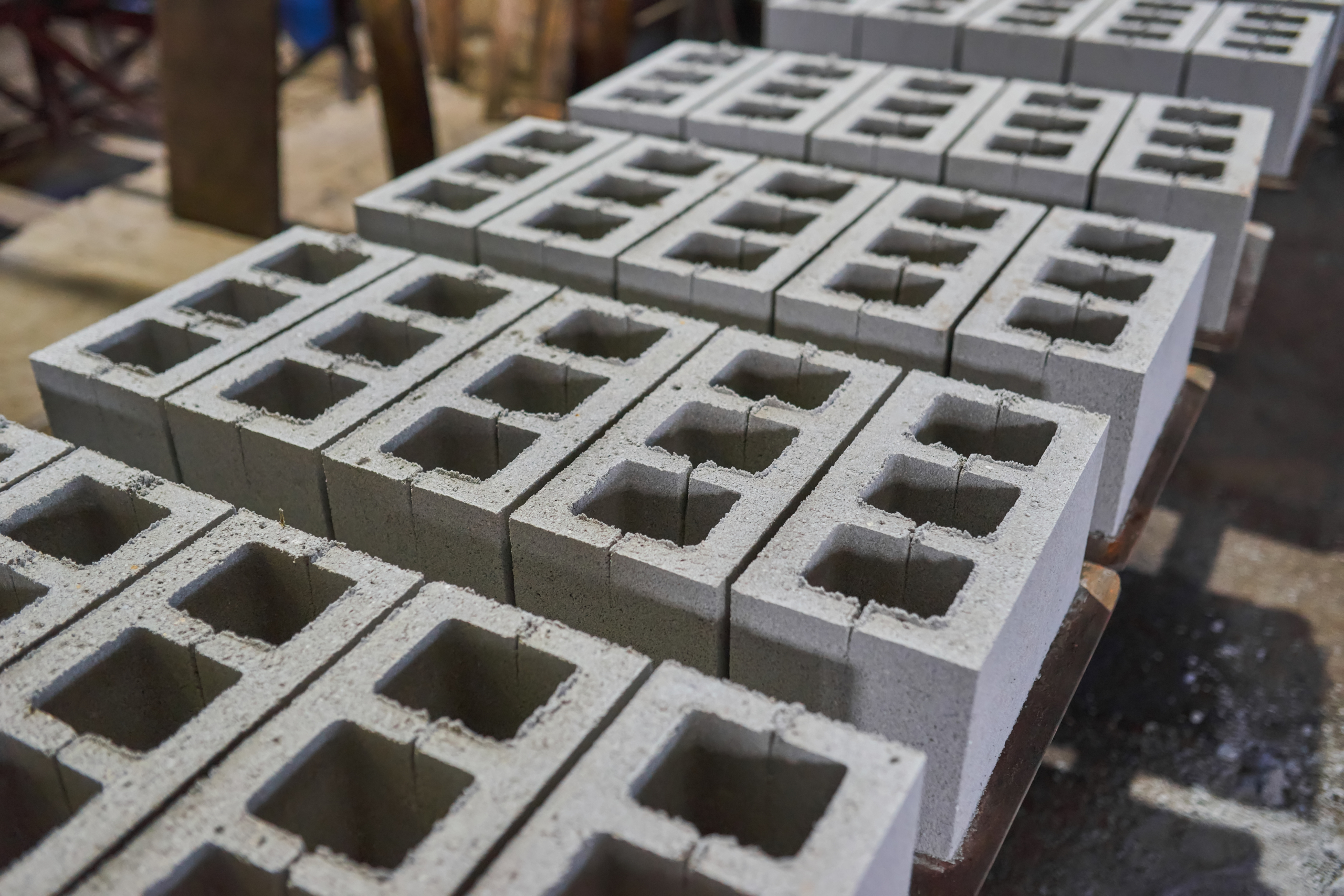
Description: Cement blocks, also known as concrete blocks, are made from a mixture of cement, sand, and water. They are widely used in construction due to their strength and versatility.
Benefits:
- Durability: Highly durable and resistant to weathering, pests, and fire.
- Strength: Provides a strong and sturdy structure, ideal for high-security fences.
- Cost-Effective: Generally less expensive than clay bricks, especially for larger projects.
- Ease of Installation: Larger size means fewer units to lay, reducing labor time and costs.
Costs:
- Material Costs: Approximately UGX 3,500 to UGX 5,000 per block.
- Labor Costs: Lower due to ease of installation; approximately UGX 15,000 to UGX 25,000 per square meter.
- Overall Costs: Generally ranges from UGX 50,000 to UGX 70,000 per square meter, including materials and labor.
Durability:
- Lifespan: Can last several decades with minimal maintenance.
- Weather Resistance: Excellent resistance to harsh weather conditions.
- Maintenance: Low maintenance, typically requiring only occasional cleaning and inspection.
Clay Bricks
Description: Clay bricks are made from natural clay and fired in a kiln. They have been used in construction for centuries due to their strength and aesthetic appeal.
Benefits:
- Aesthetic Appeal: Offers a classic and traditional look that enhances the visual appeal of the property.
- Durability: Highly durable and can withstand harsh weather conditions.
- Eco-Friendly: Made from natural materials and have a lower environmental impact compared to cement blocks.
- Insulation: Provides better thermal insulation, helping to regulate temperatures around the fence.
Costs:
- Material Costs: Approximately UGX 500 to UGX 1,000 per brick.
- Labor Costs: Higher due to the smaller size and increased number of units; approximately UGX 20,000 to UGX 35,000 per square meter.
- Overall Costs: Generally ranges from UGX 70,000 to UGX 100,000 per square meter, including materials and labor.
Durability:
- Lifespan: Can last several decades with proper care and maintenance.
- Weather Resistance: Good resistance to weather but may require more maintenance to prevent cracking and erosion.
- Maintenance: Moderate maintenance required, including periodic inspections and repairs.
Cost Comparison
- Initial Material and Labor Costs:
- Cement Blocks: UGX 50,000 to UGX 70,000 per square meter.
- Clay Bricks: UGX 70,000 to UGX 100,000 per square meter.
- Maintenance Costs:
- Cement Blocks: Lower maintenance costs due to higher durability.
- Clay Bricks: Higher maintenance costs due to the need for more frequent repairs and inspections.
Durability Comparison
- Cement Blocks:
- Highly durable and resistant to weathering.
- Requires minimal maintenance.
- Ideal for high-security and long-lasting fences.
- Clay Bricks:
- Durable but may require more maintenance.
- Offers a traditional and aesthetic appeal.
- Provides better thermal insulation.
Aesthetic Comparison
- Cement Blocks:
- Offers a modern and industrial look.
- Can be painted or finished with different textures to enhance appearance.
- Suitable for contemporary designs.
- Clay Bricks:
- Provides a classic and timeless look.
- Available in various shades and textures.
- Ideal for traditional and rustic designs.
Factors to Consider
- Budget: Cement blocks are more cost-effective upfront, while clay bricks may be more expensive due to higher labor costs.
- Aesthetic Preferences: Choose cement blocks for a modern look and clay bricks for a traditional aesthetic.
- Maintenance: Consider the long-term maintenance requirements and associated costs.
- Climate: Evaluate the local weather conditions and choose a material that offers better resistance and insulation.
Call to Action
Ready to choose the perfect material for your fence? Contact us today for expert advice and a detailed cost estimate. Our team of professionals will help you select the best option that fits your budget and enhances the beauty and security of your home.
Conclusion
Choosing between cement blocks and clay bricks for fencing your home involves considering cost, durability, aesthetic appeal, and maintenance. By understanding the benefits and drawbacks of each option, you can make an informed decision that meets your needs and preferences. Reach out to us for more information and personalized guidance on your fencing project.
This blog post provides a comprehensive comparison of cement blocks and clay bricks for fencing, offering valuable insights to potential clients. By highlighting the benefits, costs, and durability of each material, and including a clear call to action, you can effectively attract and convert leads while establishing your expertise in the construction field.